Community
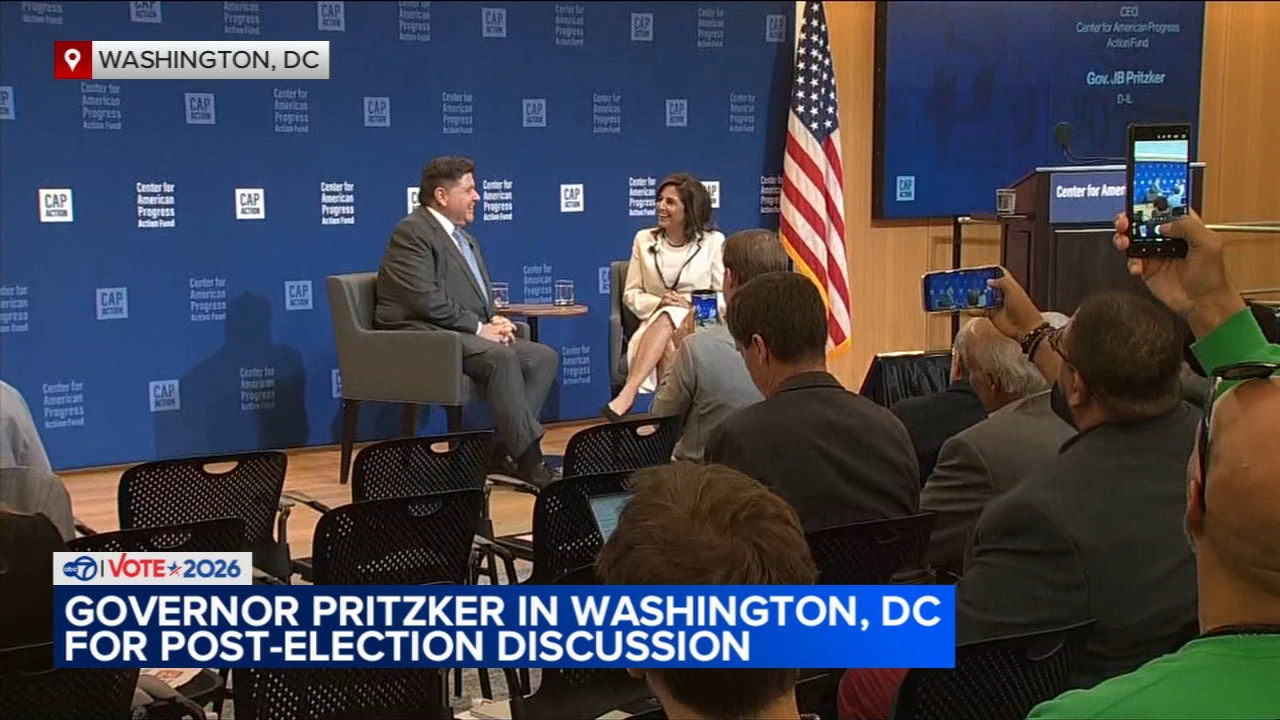
Gov. JB Pritzker heads to Washington to join in post-election discussion
By Keisha Patel
Advertisement · Why this ad?
Keisha Patel, a former athlete and graduate of the University of Chicago, has spent the last seven years covering local high school and college sports. Her passion for sports shines through her articles, encouraging community support for local teams.
More from Keisha →
On a chilly November evening, the community of Chicago and beyond is shaken by shocking allegations that reach deep into the corridors of justice across borders. Imagine the scene: a seasoned judge in Mexico City, entrusted with the law, allegedly accepting a staggering $2 million bribe to free a dangerous criminal linked to international drug trafficking. This isn’t just a story of corruption; it’s a stark reminder of how crime and justice collide on a global scale, impacting families, communities, and the very fabric of society.
According to the Department of Justice, Luis Benitez Alcantara, a 49-year-old district judge in Mexico City, is accused of accepting a $2 million bribe from Andrew Clark, a top associate of Ryan Wedding. Wedding, once a celebrated Olympian snowboarder, has now been painted as a notorious drug kingpin, allegedly leading a violent international operation trafficking tons of cocaine from Colombia through Mexico and into North America. The DOJ claims that Clark’s extradition proceedings were manipulated through this illicit payment, allowing him to be released from Mexican custody and evade law enforcement for a critical period.
The charges against Clark, who is now back in the United States, include drug trafficking, murder, and attempted murder—serious felonies that threaten the safety of countless communities. The DOJ’s investigation reveals that the judge, Benitez, used his official position to unlawfully secure Clark’s release, a move that enabled a major figure in the drug trade to stay on the run. This scandal underscores the dangerous intersection of corruption and organized crime, with far-reaching consequences for public safety and the rule of law.
The revelations have sent ripples through Chicago’s close-knit community, where many families cherish the values of integrity, faith, and strong marriages. Local leaders and residents alike express outrage over the alleged corruption at the highest levels of judicial authority in Mexico. “It’s heartbreaking to see how greed can undermine justice and put innocent lives at risk,” said Pastor Michael Thompson of the First Community Church, emphasizing the importance of faith and integrity in overcoming societal ills.
For many, this case hits close to home, reminding us of the importance of honest leadership and the moral fabric that holds families together. In a society where trust in public institutions is vital, stories like this challenge communities to stand firm in their values and advocate for transparency. The community’s response highlights a collective desire to see justice served and to support efforts that uphold the dignity of families and the rule of law.
Though the charges originate in Mexico and involve international actors, the implications resonate deeply with Chicago’s diverse population. Chicago, known for its vibrant immigrant communities, has long-standing ties to Latin America, especially Mexico and Central America. Many families in the city have relatives or friends involved in or affected by the drug trade, making this case personal for many residents.
Local law enforcement agencies have been closely monitoring the case, recognizing that international drug trafficking networks often have roots or operational links within the city. Chicago’s law enforcement officials have emphasized their commitment to combating drug-related violence and corruption, working in tandem with federal agencies to ensure that no community is left vulnerable.
Community organizations, such as the Chicago Crime Commission and local faith-based groups, are mobilizing to educate residents about the dangers of drug trafficking and the importance of integrity within institutions. These groups are also advocating for stronger policies on transparency and accountability, aiming to prevent similar cases from happening locally.
The DOJ has announced plans to extradite Benitez from Colombia, where he was arrested on Sunday. If convicted, he faces up to 15 years in federal prison on each of the nine counts of accessory after the fact. Meanwhile, Ryan Wedding and Andrew Clark remain in custody in the United States, awaiting their upcoming trials scheduled for next year. These proceedings are expected to shed further light on the extent of the corruption and the criminal network they allegedly led.
Community leaders and law enforcement agencies are calling for increased vigilance and stronger international cooperation to combat corruption and organized crime. The case underscores the importance of unwavering integrity in public service and the need for communities to support law enforcement efforts that seek to restore justice and safety. As families pray for peace and healing, local organizations continue to advocate for policies that reinforce strong, faith-based families and communities built on honesty and accountability.
Looking ahead, this case serves as a stark reminder that the fight against crime is ongoing, and it requires the collective strength of faith, family, and community. As we witness the pursuit of justice across borders, it reaffirms our hope that honesty and perseverance will prevail, ensuring a safer future for all our children and loved ones.
This case highlights the interconnectedness of global crime networks and local communities. Chicago’s strategic location as a transportation hub and its large immigrant population make it a critical point of concern for federal agencies fighting drug trafficking and corruption. The city’s history of battling organized crime, from the days of Al Capone to modern-day efforts, underscores the ongoing need for vigilance and reform.
Moreover, the case underscores the importance of community resilience and the role of faith-based organizations, schools, and local government in fostering environments where integrity is valued. Community leaders are stressing that transparency, education, and community engagement are essential tools in preventing future corruption and drug-related violence.
Local residents, especially in neighborhoods most affected by drug violence, are calling for increased resources for youth programs, mental health services, and community policing. These efforts aim to address the root causes of crime, such as poverty and lack of opportunity, which often fuel the cycle of violence and illicit activity.
As a district judge in Mexico City, Alcantara was known for his strict but fair reputation before these allegations surfaced. His arrest in Colombia marks a dramatic fall from grace, and his case has drawn attention not only for the corruption charges but also for the broader implications of judicial integrity in Mexico. Advocates for judicial reform are calling for increased oversight and accountability within Mexico’s judiciary.
Clark’s background as a former Olympic snowboarder who competed in Salt Lake City 2002 adds a complex layer to the story. His transition from athlete to alleged drug trafficker exemplifies how individuals can be drawn into organized crime due to circumstances or personal choices. His current detention in the U.S. awaits trial on serious charges, and his case is likely to reveal more about the inner workings of the drug ring.
Wedding’s journey from a celebrated athlete to a fugitive and alleged drug kingpin is a cautionary tale about fame, ambition, and the corrupting influence of power. His status as a wanted fugitive on the FBI’s Top Ten list underscores the severity of his alleged crimes. His upcoming trials are expected to be high-profile, with the potential to expose deeper layers of the criminal network.
Despite the grim nature of these allegations, Chicago’s communities remain resilient. Local organizations, faith leaders, and residents are banding together to promote healing, justice, and prevention. Initiatives aimed at youth engagement, community policing, and education are gaining momentum, reflecting a collective desire to break the cycle of violence and corruption.
Furthermore, the case serves as a catalyst for ongoing dialogue about the importance of integrity in public service and the need for stronger international cooperation. As families and community groups pray for peace, they also advocate for systemic reforms that can prevent similar scandals in the future.
In conclusion, this case is more than just a scandal—it’s a call to action for communities across the nation and around the world. It reminds us that justice is a shared responsibility, and that through faith, perseverance, and community effort, we can build a safer, more transparent society for generations to come.
By Keisha Patel

By Mark Thompson

By Keisha Patel

By Keisha Patel